How we became a WordPress agency
WordPress websites have topped our most-requested services for over a decade. That's not an accident - it's the result of a platform bet we made when WordPress was still 'just a blogging tool', and every service we've added since. Here's the whole story.
When Coditive was founded, we had to choose what to build our services around. Custom-built CMS solutions were never seriously on the table - they lock clients into a single developer, and we didn’t want clients who stayed because they were trapped. We wanted an open-source platform with room to grow. WordPress won, back when it was still considered a blogging tool.
That turned out to be one of the best decisions we’ve made. We started with simple websites and small projects. Today, after 15+ years of growing alongside the platform, our WordPress services cover everything from custom websites and apps to optimization, security, and migrations from other systems.
What made it stick? WordPress kept up with us. Every time our clients’ needs grew - third-party integrations, custom functionality, unusual content structures - the platform’s architecture and documentation let us build it while keeping full control of the code. The sections below trace how each of our services grew out of a real client problem.
WordPress websites
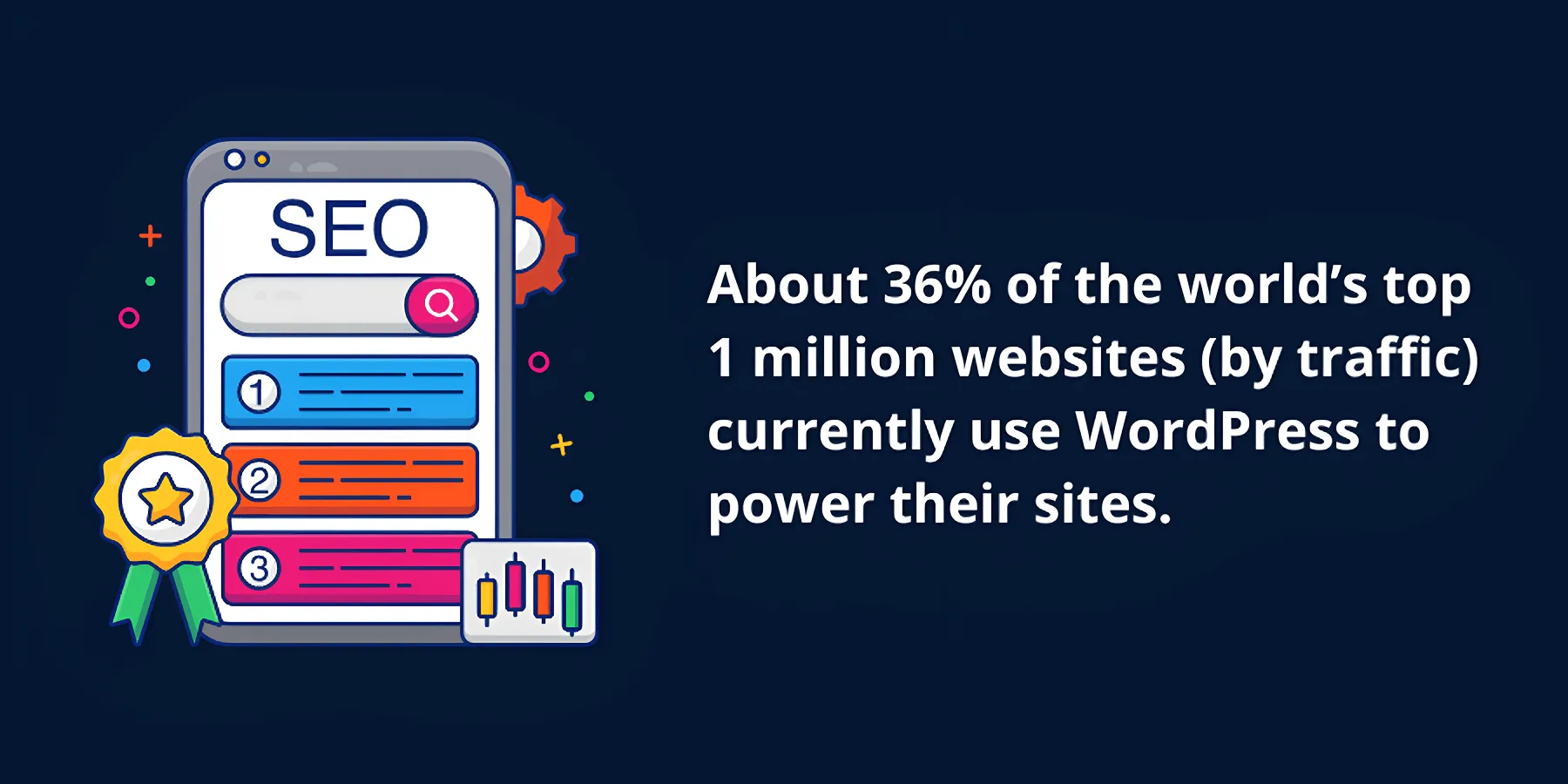
Around 36% of the world’s top one million websites run on WordPress. That popularity has a downside: thousands of agencies offer “WordPress development”, and much of it is template assembly. We knew early that standing out meant going the other way - custom, hand-coded themes built for performance and easy day-to-day editing.
Our answer was technical: we built our own custom starter for themes and plugins, using modern development tools and the coding standards we’ve sharpened over the years for cleaner, more maintainable code. It’s the foundation under every site we ship - intuitive admin panels, smooth animations, integrations with whatever your business runs on. The full offer is on our WordPress website development page.
Custom plugins
The next problem clients kept bringing us: plugin sprawl. The WordPress repository offers a plugin for everything, but mass-produced plugins carry features you don’t need and code you don’t see - and as they pile up, your site slows down and your attack surface grows.
So we started building custom WordPress plugins: exactly the functionality a client needs, nothing more, fully owned by them. Lean code turned out to be a security feature as much as a performance one.
WooCommerce and e-commerce
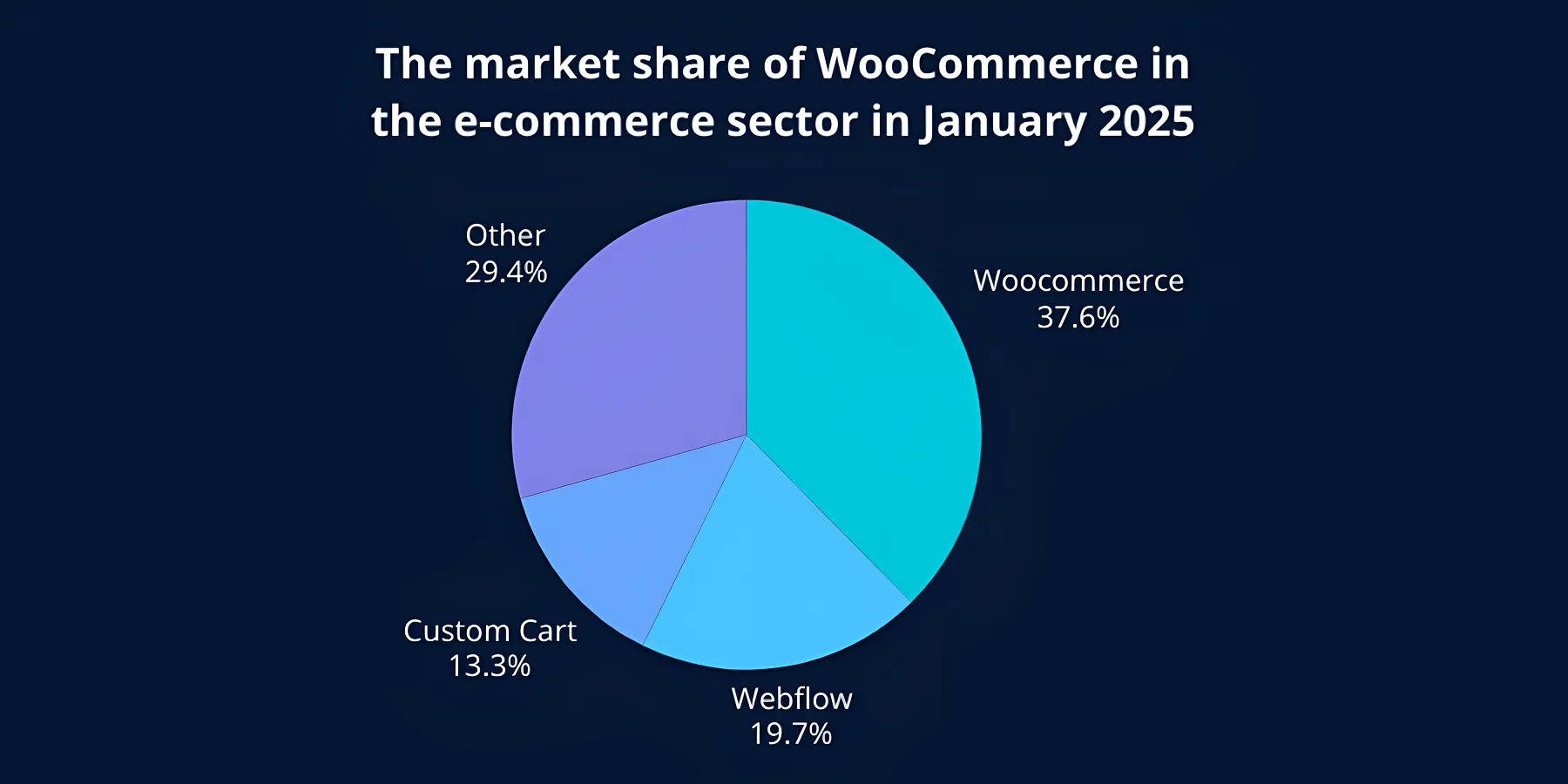
With 2.77 billion people shopping online, e-commerce was never optional for us. WooCommerce - the plugin that turns WordPress into a store - powers roughly 31% of the e-commerce market, several million active stores worldwide.
We adopted it early, starting with small shops in 2011 and growing into large stores with warehouse-management integrations, booking systems, and custom shipping and payment logic. It’s scalable, efficient, and your team can actually manage it. The details live on our WooCommerce development page.
WordPress-based apps
At some point our clients’ requests stopped sounding like websites: marketing dashboards, property rental systems, reservation platforms, cloud tools for health IT and background screening. That’s when we embraced headless WordPress - keeping the admin panel everyone knows as the backend, and pairing it with modern frontend frameworks like Vue.
Separating the two layers let us build fast, scalable WordPress-based applications that deliver content to any platform from one place. It remains one of the most cost-effective ways to get application functionality without leaving the WordPress ecosystem.
From projects to partnerships
As the service list grew, we hit a business problem rather than a technical one: clients would leave happy when their project ended - and then we’d never hear from them again. Sustainable growth needed long-term relationships, and we built them in two ways.
First, white-label development for agencies. We become the technical team behind marketing agencies and studios, under NDA, with their brand on the work. Many of those partnerships have run for years.
Second, support and maintenance. Prepaid hourly packages our clients use however they need: updates, design changes, bug fixes, small features. Add a task in Basecamp, set the priority, and it gets done. Simple enough that clients stay for years - which was exactly the point.
SEO optimization
Having a website isn’t the same as being found. As more clients asked why their sites didn’t show up on Google, SEO optimization became part of the standard offer: audits, metadata, site structure, crawlability, and the technical fixes most SEO reports recommend but never implement. Because we’re developers, the same team that finds the problems fixes them.
Performance and speed
SEO work taught us how directly speed affects everything else: rankings, bounce rates, conversions. WordPress sites can be fast - but bloated themes, unoptimized images, and inefficient plugins routinely make them slow. Performance and speed optimization became its own service, with one client’s documented result of going from 6-second to 0.2-second load times.
Security audits and recovery
Picture a Sunday morning: coffee, phone buzzing, your website hacked overnight, spam flowing from your domain’s email, admin panel locked. We’ve answered that phone call many times - often from businesses that assumed they were too small to target. Most attacks are automated; nobody is too small.
That demand made security audits and website recovery a core service: vulnerability scans and hardening for the cautious, fast cleanup and recovery for the unlucky.
Accessibility and UX
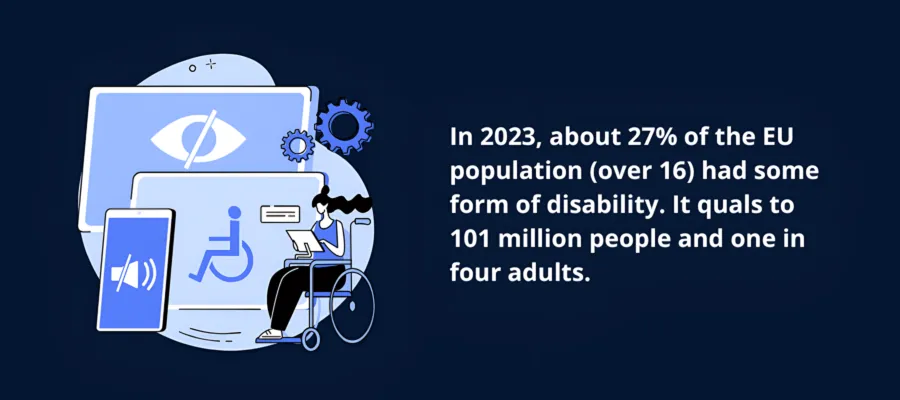
In the EU, one in four adults lives with some form of disability. A website those users can’t navigate is both a lost audience and - since the European Accessibility Act deadline passed - a legal liability. Our accessibility and UX optimization work fixes accessibility at the code level: semantic HTML, keyboard navigation, screen reader support, no overlay widgets.
Migrations to WordPress
The newest chapter is helping businesses leave other platforms. Webflow migrations for teams that hit the ceiling of a hosted design tool and want ownership of their code. Drupal migrations for organizations stranded on unsupported versions - Drupal 7 lost support in January 2025 - or simply tired of upgrades that cost like rebuilds. In both cases: content mapped and moved without loss, design preserved or refreshed, rankings protected.
Where this leaves you
Every service above started as a client’s problem we decided to solve properly. If one of them sounds like your problem, the next step is short: start at our WordPress services overview, or skip the reading and tell us what you’re dealing with. We’ll come back with an honest assessment within one business day.